Kenya's rental market moves fast, especially in high-demand areas of Nairobi, Mombasa and other growing towns — and that urgency is exactly what rental scammers exploit. Fraudsters post attractive, below-market listings, create a sense of competition and pressure, and disappear the moment a deposit lands in their M-Pesa. Here is how to protect yourself.
Common Rental Scam Tactics
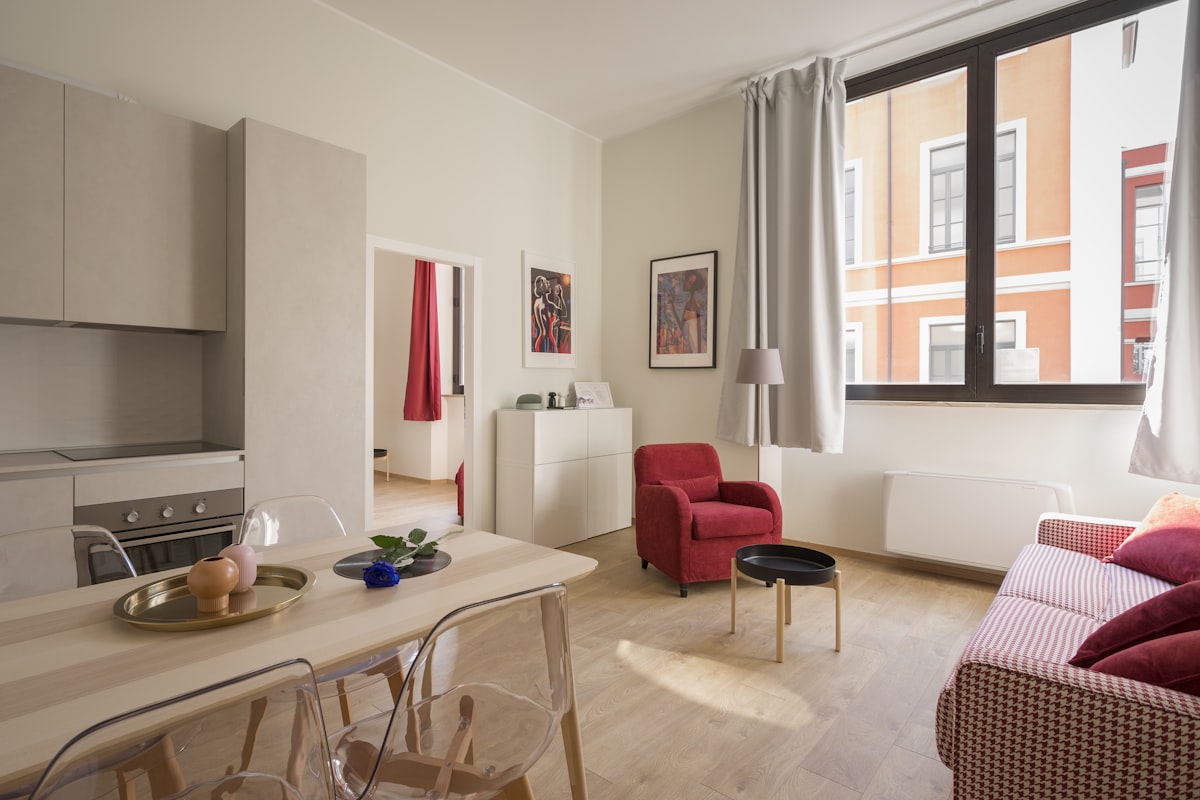
- Ghost listings — photos of a real house the "agent" does not actually manage, posted at a suspiciously low rent to attract many desperate applicants at once
- Fake caretakers charging a "viewing fee" before showing a unit that may not even be vacant
- Cloned contacts — a scammer copies a real landlord's name and photo onto a new phone number and WhatsApp account
- Bait-and-switch — you view and love Unit A, but the lease you sign (after paying) is actually for a different, worse unit
- Multiple-tenant subletting — a short-term tenant re-lists the same unit to several unsuspecting "new tenants" and collects multiple deposits before vanishing
Red Flags to Watch For
- Pressure to pay a deposit before viewing, "because other people are interested"
- Rent priced noticeably below similar units in the same area
- Refusal to do a live video call or in-person viewing — only pre-recorded photos or videos
- The landlord is always conveniently "out of town" or "abroad" and insists everything be handled over the phone
- Payment requested to a personal M-Pesa number rather than a business till or paybill
- No written lease agreement offered, or reluctance to put terms in writing
How to Verify a Landlord or Agent Before Paying
- 1Ask for their full name and national ID, and cross-check it against any lease or title documents they show you
- 2Request a live video walkthrough showing visible street signs or landmarks — not a pre-recorded clip that could be from anywhere
- 3Visit the property in person and speak to the caretaker, watchman or existing tenants to confirm who actually manages it
- 4If they claim to be a licensed agent, ask for their Estate Agents Registration Board (EARB) registration and verify it
- 5Search the phone number and name online — scam victims often post warnings in local estate Facebook and WhatsApp groups
Never send a deposit to a personal mobile money number before seeing the unit in person. A legitimate landlord or managing agent has no reason to rush you past that step.
Safer Payment Practices
How you pay matters almost as much as who you pay. Protect yourself with these habits:
- Prefer paying rent and deposits through a business till or paybill linked to a registered property management company where one exists
- Insist on an official receipt immediately after any payment
- Keep every M-Pesa confirmation message — it is your primary evidence if something goes wrong
- Avoid cash-only arrangements with no paper trail of any kind
- Get a written lease agreement signed by both parties, with copies of both ID cards attached
If an "agent" insists you pay to a personal number before you've physically seen the house, stop the transaction. This single pattern accounts for the majority of rental scam losses reported in Kenya.
What to Do If You've Been Scammed
- Report to the nearest police station immediately, with your M-Pesa transaction messages as evidence
- Report the fraudulent number to Safaricom so it can be flagged for investigation
- If the scammer claimed to be a licensed agent, file a complaint with the Estate Agents Registration Board
- Warn others by posting in local estate Facebook and WhatsApp housing groups
- Report the listing itself to whichever platform it was posted on so it can be taken down
House hunting should not feel like a gamble. Take the time to verify before you pay, trust your instincts when something feels rushed, and lean on listings from platforms that let you message sellers directly and build a paper trail. Browse verified property listings on Sokify and always view before you pay.